The Impact of Social Media on Youth Mental Health: Problem and Solutions
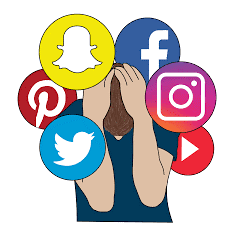
Research shows "(study by X)" social media significantly impacts youth mental health, with studies linking heavy use (over 3 hours daily) to doubled risks of anxiety, depression, poor sleep, and low self-esteem.
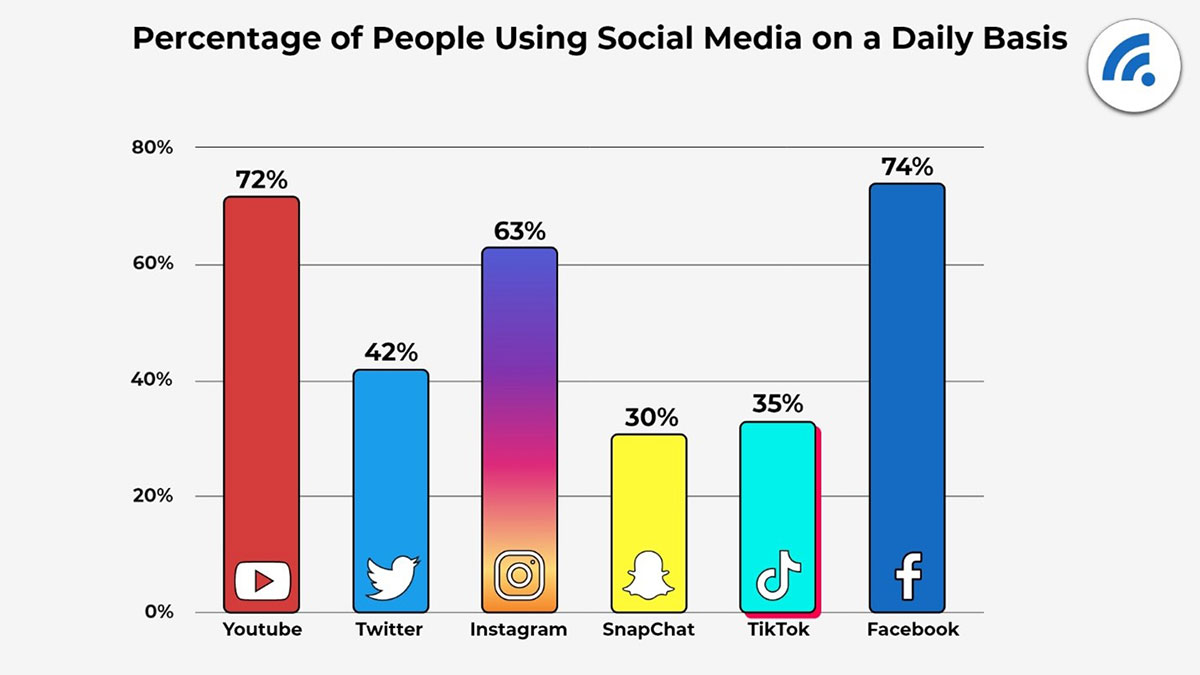
Social media has become an important part of the daily lives of young people, shaping how they communicate, learn, and express themselves. While platforms such as Facebook, Instagram, TikTok, and Twitter offer opportunities for connection and self-expression, they also present serious challenges to youth mental health. Constant exposure to online comparisons, cyberbullying, unrealistic standards, and pressure to gain approval through likes and followers can negatively affect a young person’s emotional well-being. As a result, many youths experience increased levels of stress, anxiety, depression, and low self-esteem. Understanding the impact of social media on youth mental health is essential in order to promote responsible use, emotional resilience, and supportive environments both online and offline. Excessive use can lead to problems such as low self-esteem, anxiety, depression, cyberbullying, and poor sleep due to constant comparison and online pressure. However, these negative effects can be reduced by promoting responsible social media use, setting limits, teaching digital literacy, and encouraging healthy offline activities and supportive relationships.
Social media use is widespread among young people, and many spend long hours online where they face pressure to compare themselves with others, see unrealistic images, and sometimes experience cyberbullying. These pressures can make youths feel insecure, stressed, or overwhelmed.
For example, a Grade 7 student might feel sad after scrolling through friends’ vacation photos and comparing their own life, thinking “Why doesn’t my life look that fun?”
About one third of teenagers report using social media “almost constantly,” and adolescents who spend more than 3 hours per day on social media are twice as likely to experience problems like anxiety and depression compared with less frequent users, according to a U.S. health advisory.
“Try one screen‑free evening this week”
Strengths
ReplyDeleteClear topic and purpose: The essay explains how social media affects youth mental health and offers solutions.
Good structure: Problem → effects → solutions is easy to follow.
Relevant examples: Comparison, cyberbullying, sleep problems, and validation explain the harms well.
Practical solutions: Digital literacy, screen-time limits, family/school support are appropriate and actionable.
Age‑appropriate tone: Language suits Grade 7 readers.
Areas to improve
Source phrasing: “According to Google social media…” is unclear. Use a clear source name or write “research shows” and add a short citation (e.g., “(study by X)”).
Evidence clarity: The statistic about “over 3 hours” and “doubled risks” needs a specific source or should be softened to “studies suggest.”
Repetition: Ideas and sentences repeat across paragraphs. Combine similar sentences to avoid redundancy.
Paragraph focus: Merge short, similar paragraphs so each one has a clear main idea (definition/effects/evidence/solutions).
Remove raw link: Replace the YouTube URL with a brief description of the video and its source, or cite it properly.
Stronger conclusion: End with one clear call to action for readers (e.g., “Try one screen‑free evening this week”).
Revision steps (in order)
Fix the source line: change “According to Google social media…” to “Research shows…” and add a parenthetical citation or named study, or remove the exact statistic if you can’t verify it.
Combine repeated ideas into four focused paragraphs: (1) intro/definition + thesis, (2) main effects (comparison, bullying, sleep), (3) brief evidence/stat with a clear source or softened wording, (4) solutions and call to action.
Replace the raw YouTube link with a one‑line description (e.g., “A short video by [channel] explains screen‑time effects”) or remove it.
Tighten wording and cut repetition: keep one clear sentence per idea and end with a specific reader action (limit social media to X hours, talk with a trusted adult, or practice one screen‑free habit).
Optional polish
Add one concrete example or short student story to make the effects relatable.
Include one simple statistic with a named source (e.g., a study from a health organization) if available.